Multilingual Guest App for Hotels: How to Stop Losing Guests in Translation

A guest who can't read the Wi-Fi instructions, the breakfast hours, or the fire safety notice isn't having a minor inconvenience — they're having the first bad moment of their stay. And it shows up in reviews.
Most properties still handle this with paper signage in two or three languages, a front desk staff member switching between guests, or a static PDF that was translated once, years ago, and never updated. None of that scales past a handful of languages, and none of it works when the guest who needs help is standing at your door at 11pm with no one at the desk.
A multilingual guest app is the fix — but only if it's built to actually solve the problem, not just display a translated homepage.
Why language barriers cost more than they look like
The direct cost is obvious: more phone calls and front-desk interruptions for questions that a clear guide would have already answered. The indirect cost is bigger.
- Guests default to complaining in reviews when they couldn't find basic information, even if the property itself was fine.
- International guests are disproportionately affected by anything that assumes fluent local-language reading — a demographic that's often your highest-value segment (longer stays, higher spend on top of the room).
- Staff time gets eaten by repetitive translation, explaining the same Wi-Fi password or breakfast hours in three languages, multiple times a day.
None of this is solved by adding one more printed language to your welcome folder. It's solved by making information available in whatever language the guest already reads comfortably, on the device they already have in their pocket.
What to actually look for in a multilingual guest app
Not every tool that claims "multilingual support" solves the problem. Before you evaluate one, check for these:
- Real-time or auto-translation, not a fixed set of pre-translated languages. A tool that only ships English, French, and Spanish just moved the wall instead of removing it.
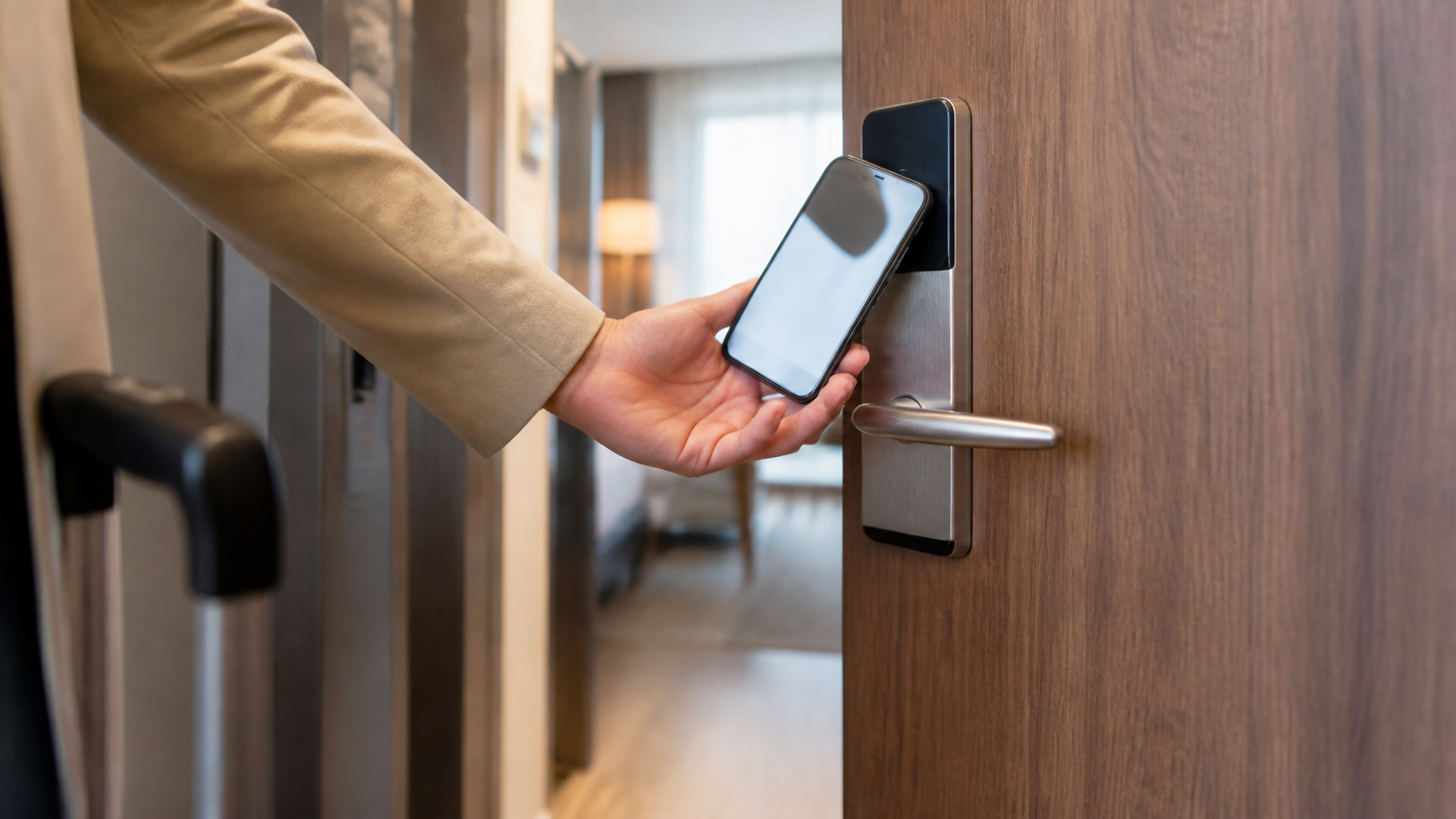
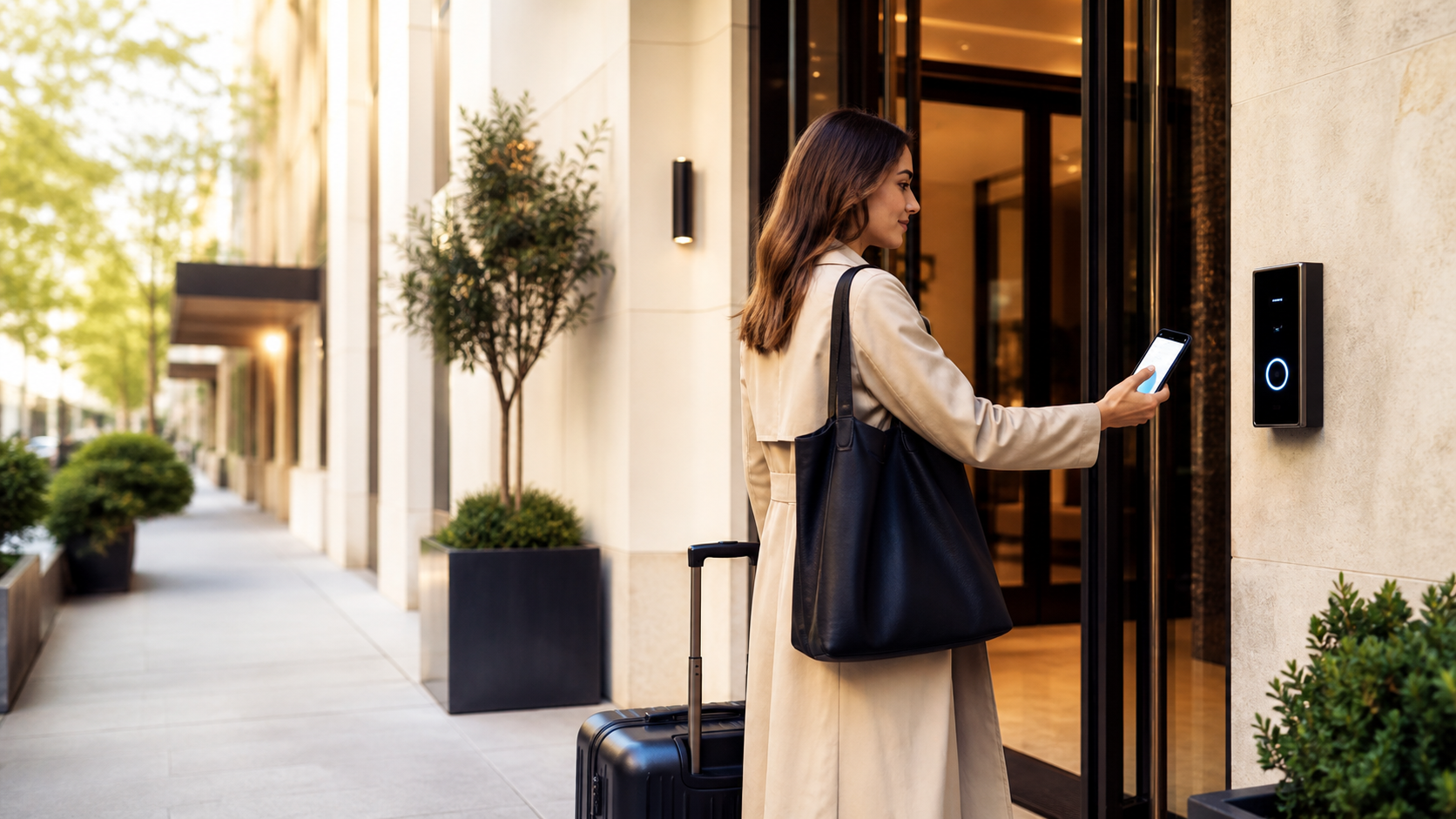
- No app download required. A guest arriving for a 3-night stay will not install an app for it. QR-code access to a mobile web page removes that friction entirely.
- One content source, many languages. You should write your Wi-Fi info, house rules, and local recommendations once — the tool should handle the rest, not force you to maintain a separate document per language.
- Coverage of the whole guest journey, not just a welcome message: check-in/check-out details, amenities, local recommendations, an FAQ, and a way to reach the property.
- Instant updates. If breakfast hours change next month, you shouldn't need to re-translate and re-print anything.
How OnboardGuest handles the multilingual guest experience
OnboardGuest is a digital guest guidebook built for exactly this: a single guide, shared through a QR code, that automatically presents itself in the guest's language — no separate document to maintain per language, no app to install.
What that looks like in practice:
- Guests scan a QR code (placed in the room, at check-in, or sent digitally) and land on a mobile-friendly guide with automatic multi-language support — any language, translated automatically from the content you write once.
- The guide covers Wi-Fi access, local recommendations, restaurant and amenity information, and a contactless services layer for anything guests would otherwise call the front desk for.
- You can import an existing PDF welcome book to populate the guide instead of starting from a blank page.
- Updates are instant: change the breakfast hours once, and every language version reflects it immediately.
- The Free plan covers 1 property with every section and QR code access, so you can test the multilingual experience with zero setup cost. Hotels needing multiple properties, branding, and stats move to the Pro plan at €10/month; short-term rental hosts have their own Pro plan at €5/month.
This also plugs directly into reducing the volume of repeat questions at the desk — if that's the specific problem you're trying to solve, see how to reduce guest questions at the front desk for the fuller playbook, of which multilingual access is one piece.
Setting it up without a translation budget
You don't need a translator on staff. The realistic setup path looks like:
- Write your guide content once, in whichever language you're most comfortable in — check-in/out, Wi-Fi, amenities, local picks, house rules, FAQ.
- Let auto-translation handle the rest. Guests select or are detected in their own language automatically.
- Generate the QR code and place it where guests will actually see it: room entry, bedside, or included in a digital check-in message.
- Review and adjust any translated terms specific to your property (a local landmark name, a menu item) if needed — this is optional polish, not a requirement to launch.
That's the entire rollout. No per-language documents, no reprinting signage every time something changes.
The broader picture
A multilingual guest app is one piece of a larger shift away from static, paper-based guest information toward something guests can actually use on their own devices, in their own language, whenever they need it. If you're building out a full guest information strategy rather than solving multilingual access in isolation, our digital guest guidebook guide covers the complete picture — from what to include to how to structure it for hotels versus vacation rentals.
Try it with your own property
You can test OnboardGuest's multilingual guest guide for free, with one property and every section unlocked — no credit card, no translator, and a live demo available on the homepage without even signing up. Get started with OnboardGuest and see how your guide reads in a language you don't speak.